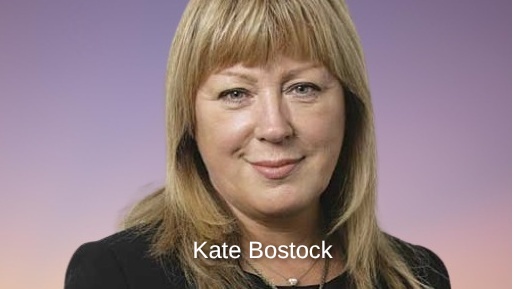
Kate Bostock: Career, Retail Leadership and Angel & Rocket
The name kate bostock is closely associated with British fashion retail. Over the years, she built a high-profile career through senior roles at Next, George at Asda, Marks & Spencer, Asos and Coast before going on to found Angel & Rocket, a childrenswear brand presented by the company as a family-run business.
For a general UK readership, the interest in kate bostock comes from more than one chapter of that career. She is remembered both as a major high-street retail executive and as the founder behind a later independent brand, which gives the keyword a strong biography and business-leadership angle.
Who Is Kate Bostock?
Kate bostock is best understood as a British retail executive and entrepreneur with a long track record in fashion and clothing. Angel & Rocket’s founder profile says her career included executive roles at Next, Asda and Marks & Spencer, while major business reporting also links her to later senior roles at Asos and Coast.
That makes her a useful subject for a profile piece on a mixed-category UK site. Unlike weaker name keywords, Kate Bostock has a clearly documented public career with first-party and mainstream business coverage behind it.
Kate Bostock and Her Early Retail Career
Public profiles of kate bostock usually begin with her long-standing experience in mainstream retail. Angel & Rocket says she held executive roles at Next, Asda and Marks & Spencer, and historical reporting on her later career similarly describes her as having come through senior fashion and product positions at those businesses.
That background matters because it helps explain why her name continued to attract attention when she moved between high-profile fashion and retail roles. She was not an obscure operator inside the sector, but a recognised executive whose moves were followed by the retail press and national business outlets.
Kate Bostock at Marks & Spencer
A major part of the kate bostock search interest comes from her time at Marks & Spencer. M&S announced in July 2012 that Kate Bostock, then Executive Director of General Merchandise, would leave the business by mutual consent and step down from the board on 1 October 2012.
That role made her one of the best-known figures in British clothing retail at the time. Coverage around her departure and next move reflected how prominent she had become within the M&S leadership team and within the wider fashion-retail conversation.
For internal linking, this is where a natural supporting reference works well: Marks & Spencer board and senior management changes.
Kate Bostock and the Asos Move
After leaving M&S, kate bostock joined Asos in a senior executive role. Financial Times coverage from October 2012 reported that she was to join the online fashion group as a senior executive, while Companies House records show her ASOS PLC directorship beginning in January 2013 and ending in July 2013.
Her time there was brief. Multiple contemporary reports said she stepped down after only a matter of months, which means this chapter is often remembered as the shortest and most unsettled part of her public retail career.
Coast, Leadership and a Return to the High Street
The next stage in the kate bostock story was Coast. Reuters reported in August 2013 that the former Marks & Spencer clothing boss had been named chief executive of Coast, marking a return to Britain’s store-based retail sector after the Asos stint.
This period is useful in profile coverage because it shows that Bostock remained a credible leadership figure even after a difficult online-retail chapter. Rather than disappearing from the sector, she moved back into a high-street fashion business with a top executive title.
A suitable source mention here is Reuters report on Kate Bostock becoming Coast chief executive.
Angel & Rocket and the Entrepreneurial Chapter
The most brand-safe and current editorial angle for kate bostock is her connection to Angel & Rocket. The company’s own story says the brand began in 2014 when founder Kate Bostock set out to create a distinctive childrenswear label, supported by her husband and two sons. A 2024 founder interview on the same site presents the business as a thriving family-run brand marking its tenth anniversary.
That makes Angel & Rocket central to any modern profile of Kate Bostock. For many readers, especially those arriving through brand or founder searches, this is now the most relevant part of her public identity.
A natural supporting citation inside a WordPress post would be Angel & Rocket founder story.
Why Kate Bostock Is a Strong Biography Keyword
From an SEO point of view, kate bostock works because it combines recognisable retail history with clear current relevance. There is enough authoritative material to support a solid profile, and the keyword fits well within Biography, Business and Leadership categories on a general UK magazine site.
It also avoids the problems that come with low-confidence name queries. This is not a vague or weakly verified keyword. The public record is clear enough to support a useful article without stretching into speculation.
Conclusion
For readers searching kate bostock, the clearest summary is that she is a prominent British retail executive whose career has spanned major names including Next, George at Asda, Marks & Spencer, Asos and Coast, before moving into entrepreneurship with Angel & Rocket.
That makes kate bostock one of the stronger people-based keywords for a UK business or biography site. It has clear search intent, reliable sourcing and a storyline that moves from senior retail leadership into brand founding, which is exactly the kind of profile readers tend to engage with.
FAQs
Who is Kate Bostock?
Kate bostock is a British retail executive and entrepreneur known for senior roles at Next, Asda, Marks & Spencer, Asos and Coast, and for founding the childrenswear brand Angel & Rocket.
Why is Kate Bostock well known in UK retail?
She became particularly well known through her senior leadership role at Marks & Spencer, where she served as Executive Director of General Merchandise before leaving in 2012.
Did Kate Bostock work at Asos?
Yes. Public reporting and Companies House records show that Kate Bostock joined Asos in a senior executive role and served on the board in 2013 before leaving later that year.
What is Kate Bostock associated with now?
The clearest current public association is Angel & Rocket, which identifies Kate Bostock as its founder and describes the label as a family-run childrenswear brand launched in 2014.
Is kate bostock a good keyword for a biography article?
Yes. Kate bostock is a strong biography keyword because the name is backed by first-party brand information and substantial mainstream business coverage from recognised outlets.