Shrimpy Business: 7 Proven Steps to Start a Farm
A Complete Beginner's Guide to Launching a Profitable Shrimpy Business

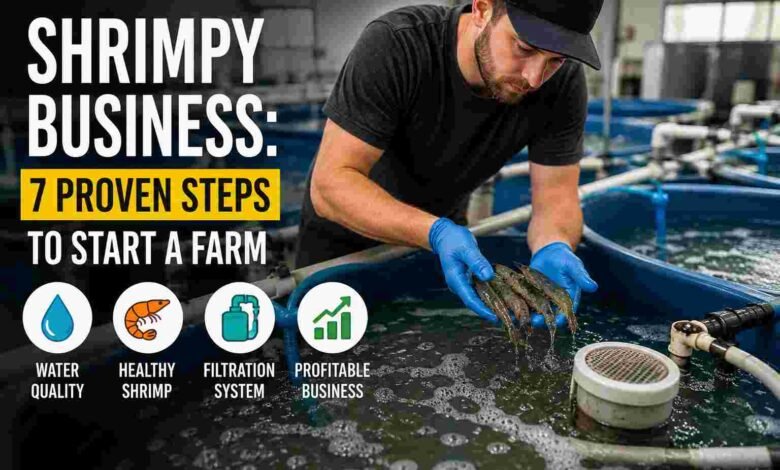
Starting a shrimpy business might sound like a funny concept, but commercial aquaculture is a serious and highly profitable industry. The United States imports a massive amount of its seafood, creating a high demand for locally grown, fresh shrimp. If you have the right space and a solid plan, you can turn water tanks into a thriving revenue stream.
To start a shrimp farm, you need to choose between indoor or outdoor farming, secure local agricultural permits, set up water filtration systems, source healthy juvenile shrimp, and establish buyer relationships. Initial startup costs typically range from $10,000 to $50,000 depending on your farm size and location.
Key Takeaways
-
Indoor farming offers better climate control and year-round harvesting.
-
Water quality management is the most important daily task for shrimp survival.
-
Pacific Whiteleg shrimp is the best species for beginners to raise.
-
You must secure buyers like local restaurants before your harvest is ready.
-
Startup costs heavily depend on your choice of filtration equipment.
Understanding the Shrimpy Business Model
Before you buy your first tank, you need to decide how you will raise your product. In the US, farmers generally choose between two methods. You can either build outdoor ponds if you live in a warm southern state, or you can use an indoor Recirculating Aquaculture System (RAS).
For most small owners, indoor farming makes the most sense. It allows you to control the environment and sell fresh seafood anywhere in the country.
Indoor vs. Outdoor Shrimp Farming
| Feature | Indoor Farming (RAS) | Outdoor Pond Farming |
| Space Required | Low (Warehouse/Barn) | High (Multiple Acres) |
| Climate Control | Excellent (Year-round) | Poor (Weather dependent) |
| Startup Cost | Higher (Tanks and filters) | Lower (Excavation) |
| Water Usage | Very Low (Recycled) | High |
Equipment You Need to Start
You cannot cut corners on equipment. Your shrimp rely entirely on the artificial environment you create for them. Here is a numbered list of the basic gear you need to launch your operation:
-
Holding Tanks: Fiberglass or heavy-duty plastic tanks hold the water and your stock.
-
Aeration System: Air pumps and diffusers keep the water highly oxygenated.
-
Filtration Units: Bio-filters remove toxic waste and uneaten food from the water.
-
Water Heaters: Shrimp thrive in warm water, usually between 75 and 85 degrees Fahrenheit.
-
Testing Kits: You need digital meters to check pH, ammonia, and salinity levels every day.
Legal Requirements for Your Shrimpy Business
Selling seafood requires strict adherence to health and safety laws. You cannot simply grow shrimp in your garage and sell them to a grocery store. You must register your shrimpy business with your state agricultural department.
Additionally, you should review guidelines from the FDA Seafood Guidance Documents to ensure your processing and handling methods meet federal safety standards. You might also need a wastewater discharge permit from your local environmental protection office.
Common Mistake: Ignoring Water Quality
The fastest way to fail in this industry is to neglect your water parameters. Many beginners focus entirely on feeding their stock and forget that shrimp live in their own waste. If your bio-filter fails or your ammonia levels spike, you can lose an entire harvest in less than 24 hours. Test your water twice a day. Good water quality equals healthy, fast-growing shrimp.
Finding Buyers for Your Shrimpy Business
You make money when you sell your harvest, not when you grow it. Do not wait until your shrimp reach market size to start looking for customers.
Start talking to local seafood markets, farm-to-table restaurants, and individual consumers early in the process. Locally grown, never-frozen shrimp command a premium price. Emphasize to your buyers that your product is fresh and raised sustainably.
Conclusion
Building a successful shrimpy business takes time, capital, and daily dedication to animal health. By planning your facility carefully and managing your water quality, you can create a highly profitable operation that serves your local community.
Next Steps:
-
Draft a detailed business plan including your expected equipment costs.
-
Research the specific agricultural zoning laws in your county.
-
Contact a certified hatchery to learn about juvenile shrimp pricing.
FAQs
How much space do I need for indoor shrimp farming?
You can start a small pilot system in a standard two-car garage or a 500-square-foot warehouse space. However, commercial profitability usually requires at least 2,000 square feet.
What is the best shrimp species to farm?
The Pacific Whiteleg shrimp (Litopenaeus vannamei) is the most popular choice. They grow quickly, tolerate crowded tanks well, and have a high survival rate in indoor systems.
How long does it take for shrimp to grow to market size?
It typically takes between three to six months for juvenile shrimp to reach a sellable market weight, depending on water temperature and feed quality.
Do I need artificial saltwater?
Yes. If you operate an indoor farm away from the coast, you will need to purchase marine salt mixes to create the correct salinity levels for your stock.
Is shrimp farming profitable?
Yes, a shrimpy business can be highly profitable. Because the US imports the vast majority of its shrimp, local buyers are often willing to pay higher prices for fresh, locally sourced products.