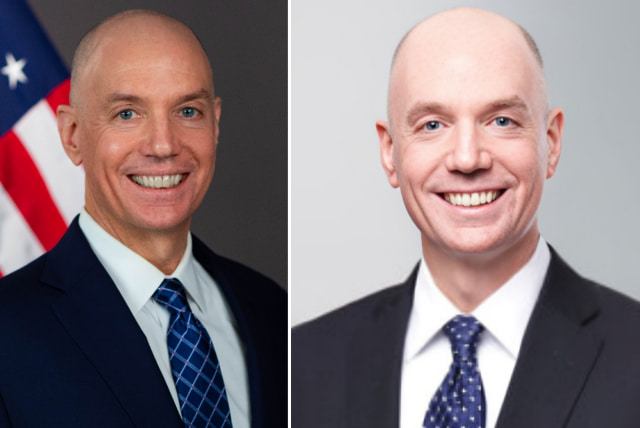
Sam Waldon: Career, SEC Enforcement Role and Public Profile
Searches for sam waldon usually come from readers trying to understand who he is and why his name appears in coverage of U.S. securities enforcement. Based on public sources, Sam Waldon is a senior official connected to the U.S. Securities and Exchange Commission’s Division of Enforcement, and his profile became more visible during a notable leadership transition in 2025.
Publicly available materials reviewed for this piece focus much more on his professional record than on his private life, so the clearest way to cover sam waldon is through the roles that can be verified. Readers wanting primary materials can consult Samuel Waldon profile at the U.S. Securities and Exchange Commission, SEC Division of Enforcement staff directory, and Reuters coverage of his comments on enforcement priorities.
Who is Sam Waldon?
Sam Waldon, also listed in official materials as Samuel Waldon, is a securities enforcement lawyer and regulator whose career has included multiple periods at the SEC as well as time in private practice. An SEC press release from October 2024 said he had served as Chief Counsel for the Division of Enforcement since March 2022, and that he previously worked at the SEC as an Assistant Chief Counsel from 2010 to 2018 and as an investigative attorney from 1996 to 1998. The same release also noted that he had joined the agency from Proskauer Rose, where he had been a partner.
That private-sector chapter is also supported by Proskauer’s 2018 announcement, which said Samuel Waldon joined the firm as a partner after serving as Assistant Chief Counsel in the SEC’s Enforcement Division. Proskauer’s release additionally stated that he earned a B.A. from Virginia Tech and a J.D. from the University of Texas School of Law.
Sam Waldon and the SEC leadership transition
A large part of the recent interest in sam waldon comes from the SEC leadership changes that unfolded across 2024 and 2025. In October 2024, the SEC announced that following the departure of Enforcement Director Gurbir Grewal, Sam Waldon would serve as Acting Deputy Director while continuing from his existing leadership base in the division.
By April 2025, the SEC’s official profile page listed Samuel Waldon as Acting Director of the Division of Enforcement. In August 2025, the SEC announced that Judge Margaret Ryan would become Director of Enforcement and said that Acting Director Sam Waldon would return to his previous role as Chief Counsel. A later SEC staff directory, last updated in January 2026, lists Samuel Waldon as Deputy Director and Mark Cave as Chief Counsel. Taken together, those public records show that Waldon has remained part of the division’s senior leadership even as titles shifted during a period of internal change.
What Sam Waldon’s public comments suggest
Reuters reported in March 2025 that Sam Waldon said the SEC was likely to focus on more traditional enforcement matters under new leadership. In that report, he pointed to areas such as insider trading, accounting and disclosure fraud, emerging technologies and fraud affecting retail investors, while also saying that cases centred on individual accountability would remain important.
That broad emphasis matches official SEC materials from the same period. In the SEC’s release on fiscal year 2024 enforcement results, Waldon said the division was addressing newer risks, including AI-related misstatements and social-media-enabled scams, while still focusing on more established investor-protection concerns such as material misstatements, internal controls and gatekeeper failures. In SEC case announcements from 2025, he was quoted in matters involving alleged Ponzi-style fraud and alleged misconduct affecting retirees and retail investors.
Why people search for Sam Waldon
The main reason sam waldon appears in search is not celebrity coverage or personal-profile interest in the usual lifestyle sense. Instead, his visibility comes from his place inside an important regulatory institution at a moment when lawyers, market participants and journalists were closely watching the SEC’s enforcement direction. His name appears in official statements, enforcement press releases, conference references and media reporting because he became one of the public faces of that transition.
For general readers, that means Sam Waldon matters less as a conventional public personality and more as a figure connected to how securities enforcement priorities are explained and carried out. That distinction is useful because it keeps the article grounded in what is verifiable rather than stretching into unsupported personal detail.
The public profile of Sam Waldon
At this stage, the public profile of sam waldon is primarily professional. Official and firm sources establish a career spanning SEC investigations, senior enforcement counsel work, partnership-level private practice and later return to senior SEC leadership. What they do not provide is a richly detailed personal biography, which is why the most accurate portrait of Sam Waldon remains a career-based one centred on securities law and enforcement leadership.
Conclusion: why Sam Waldon is worth knowing
For anyone searching sam waldon, the clearest takeaway is that he is a senior SEC enforcement figure whose public significance comes from regulatory leadership, not personal publicity. Verified records show a long connection to the SEC, a spell in private practice, service as Acting Director during 2025, and continued senior-level involvement in the Enforcement Division thereafter. As long as market watchers keep tracking how the SEC sets priorities, Sam Waldon is likely to remain a name that attracts professional and media interest.
FAQs
Who is Sam Waldon?
Sam Waldon is a securities enforcement lawyer and senior SEC official whose public profile is tied to leadership roles in the agency’s Division of Enforcement.
What role has Sam Waldon held at the SEC?
Public SEC materials show Sam Waldon has held roles including Chief Counsel, Acting Deputy Director, Acting Director and, in a staff directory updated in January 2026, Deputy Director.
Was Sam Waldon Acting Director of Enforcement?
Yes. The SEC’s official profile page listed Samuel Waldon as Acting Director of the Division of Enforcement in 2025.
Why is Sam Waldon in the news?
Sam Waldon drew attention because of SEC leadership changes and public remarks about enforcement priorities, including focus on traditional fraud, insider trading and retail-investor harm.
What is known about Sam Waldon’s background?
Verified public sources show earlier SEC service, partnership-level work at Proskauer, and academic credentials from Virginia Tech and the University of Texas School of Law.