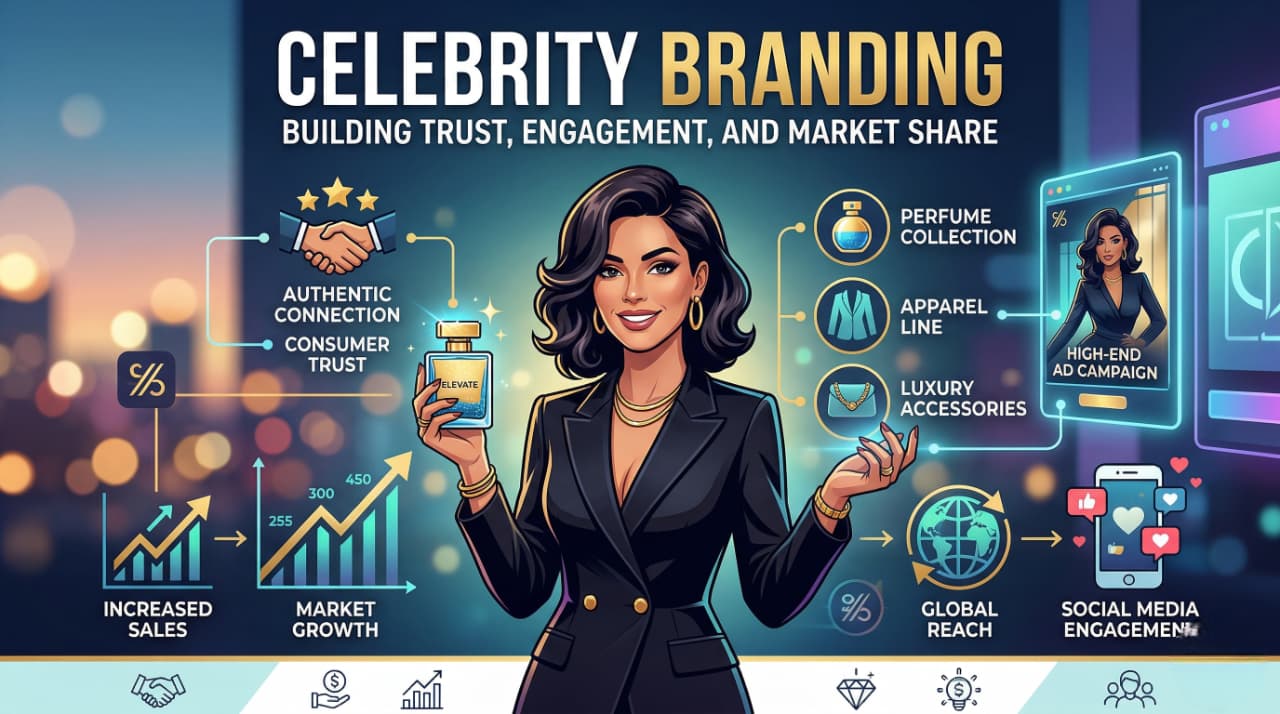
5 Times Celebrity Branding Changed the UK Market This Month
The UK retail landscape is moving faster than ever. In April 2026, the traditional “famous face” on a billboard is no longer enough to move the needle. Consumers now demand authenticity, storytelling, and a clear alignment of values. This month has seen some of the most strategic moves in celebrity branding to date, proving that the right partnership can still fundamentally shift market dynamics.
From the football pitch to the global stage of the BRIT Awards, brands are rethinking how they leverage star power. We have seen a move away from generic endorsements toward deep-rooted collaborations that feel organic. These partnerships do more than just sell products; they change how a brand is perceived by the British public.
Here are five key moments this month where celebrity branding redefined the UK market and set new benchmarks for the industry.
The ‘Rosé Effect’: Levi’s UK Denim Renaissance
One of the biggest stories in UK retail this month was the massive surge in denim sales, driven largely by the “Behind Every Original” campaign. Starring global superstar Rosé (of Blackpink fame), the partnership officially hit British high streets after a viral Super Bowl debut.
The impact on the celebrity branding landscape has been immediate. Levi’s reported a significant spike in footfall across their London flagship stores. This wasn’t just a win for the brand’s global presence; it specifically targeted the UK’s Gen Z and Millennial demographics.
By blending high-fashion aesthetics with everyday street style, the campaign successfully repositioned a legacy brand for a new generation. We saw a “sell-out” effect on specific styles, such as the low-rise baggy denim, which trended across UK social media within hours of the launch.
Eberechi Eze and the ‘Quiet Luxury’ Sportsperson
Football and fashion have long been bedfellows, but this month saw a more refined approach. Crystal Palace star Eberechi Eze appeared in a high-profile spring campaign for Calvin Klein, alongside other UK talents like Little Simz.
This move highlights a significant shift in celebrity branding within the UK. Instead of the typical high-energy sports drink or boot deal, Eze is being marketed through the lens of “quiet luxury” and “90s minimalism.” This appeals to a broader consumer base that values aesthetic over athleticism.
The collaboration has bridged the gap between the Premier League and high-street luxury. For brands, this proves that UK sports stars now carry the cultural weight to front premium lifestyle campaigns. [YouGov BrandIndex on UK Brand Movers]
Molly-Mae Hague: The Shift from Fast Fashion to Relatability
Molly-Mae Hague remains one of the most influential figures in UK celebrity branding. However, her appearance on The Great Celebrity Bake Off this month marked a strategic shift in her personal brand.
Moving away from the hyper-curated world of fast fashion, Hague’s presence in the “Bake Off” tent showcased a more relatable, grounded side of her personality. For her partners, this diversification is gold. It allows her to maintain her status as a fashion mogul while expanding her reach into family-oriented and lifestyle sectors.
This transition is a masterclass in longevity. It shows that successful branding in 2026 requires the ability to pivot. By showing vulnerability and humour on national TV, she has reinforced her “human” brand, making her even more valuable to UK retailers looking for authentic connections.
The Body Shop’s New Era and the Authenticity Pivot
This month, the UK beauty industry saw major leadership changes that are set to redefine celebrity branding from the top down. The Body Shop appointed a new Global Brand & Communications Director, signaling a “re-founding” phase for the iconic British brand.
The focus is now shifting toward “founder-led” and “social-first” strategies. We are seeing a move away from massive, distant celebrities toward micro-influencers and community leaders. This reflects a wider UK market trend where consumers trust peer-to-peer recommendations over glossy adverts.
In addition, the launch of wellness-focused brands like AFIMA by former industry CEOs shows a clear market direction. The UK audience is prioritising sustainability and ethical transparency. Brands that can align their celebrity partners with these core values are the ones seeing the most growth this month.
RAYE and the BRITs: Audio-Visual Branding Impact
The BRIT Awards 2026 provided more than just musical highlights; it was a powerhouse for celebrity branding. RAYE, fresh from her record-breaking success, dominated both the stage and the fashion conversation.
The “RAYE effect” has directly influenced UK search trends for independent British designers and heritage brands alike. This month, we saw a direct correlation between award show performances and immediate spikes in e-commerce traffic for associated brands.
This type of “performance branding” is becoming essential. It isn’t just about what a celebrity wears on a red carpet; it is about how they integrate a brand into their artistic narrative. From the beverages served at the after-parties to the tech used in the performances, the BRITs proved that the UK market is highly responsive to integrated celebrity experiences.
Conclusion: Why Celebrity Branding Matters in 2026
Overall, this month has proven that celebrity branding remains a cornerstone of the UK market. However, the rules have changed. It is no longer enough to simply put a famous face on a product. The most successful campaigns this month—from Levi’s to Calvin Klein—have focused on storytelling and cultural relevance.
Whether it is a global K-pop star or a local football hero, the key is authenticity. As we move further into 2026, brands that prioritise genuine alignment over quick visibility will be the ones that truly change the market. The UK consumer is savvy, and they reward brands that feel real.
FAQs
What is celebrity branding?
Celebrity branding is a marketing strategy where a famous person uses their status to promote a product or service. This can range from traditional endorsements to deep-level creative partnerships.
How does celebrity branding affect the UK market?
It influences consumer trust, increases brand awareness, and can lead to immediate sales spikes. In the UK, it often helps international brands feel more culturally relevant to local audiences.
Why is authenticity important in celebrity partnerships?
Modern UK consumers can easily spot forced endorsements. Authenticity ensures that the partnership feels natural, which builds long-term trust and loyalty between the brand and the audience.
What are the latest trends in UK celebrity marketing?
Key trends include the rise of micro-influencers, the integration of sports stars into high fashion, and a heavy focus on social-first, authentic content over traditional TV adverts.