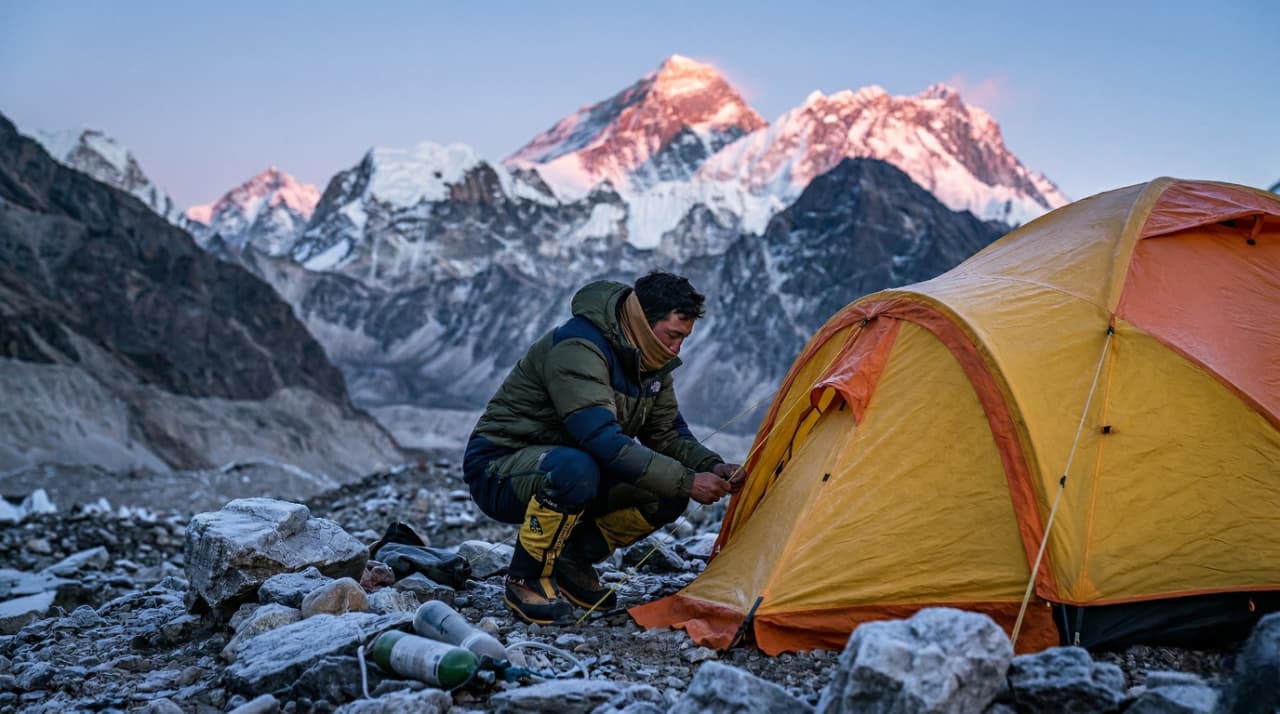
The Ultimate Guide to Reaching an Advanced Base Camp
An Introduction to High-Altitude Mountaineering
Scaling the world’s highest peaks requires immense preparation. A standard starting point is rarely enough for extreme altitudes. Therefore, climbers often set up an advanced base camp. This secondary camp prepares them for the final push to the summit.
An advanced base camp sits much higher up the mountain. It serves as a crucial staging area for mountaineers. Trekkers use it to store gear, rest, and adapt to the thin air. Reaching this point is a massive achievement on its own.
Many adventurers trek specifically to reach these high camps. They want the thrill of the mountain without the extreme danger of a summit attempt. Overall, these camps are vital for survival in the world’s harshest environments.
What Exactly is an Advanced Base Camp?
When mountaineers tackle massive peaks, they usually start at a primary camp. However, this primary camp is often too far from the summit. As a result, climbers need a secondary staging area.
This higher location is known as an advanced base camp. It acts as a halfway house between the lower valleys and the peak. For example, climbers store essential food, oxygen, and gear here.
It provides a safe haven before the most dangerous climbing begins. Furthermore, it limits the time spent in the treacherous zones above. Overall, it is a vital part of high-altitude mountain logistics.
How It Differs from a Standard Camp
A regular base camp is typically accessible by vehicles or pack animals. Meanwhile, an advanced base camp is much harder to reach. Trekkers must often carry gear on foot to this higher elevation.
In addition, the weather conditions are significantly harsher. The air is thinner, and the temperatures are drastically lower. Therefore, climbers only move to this camp once they are fully prepared. It is not a place for casual hikers or unprepared tourists.
Why Climbers Rely on an Advanced Base Camp
Safety is the primary reason for these high-altitude camps. Pushing directly from a standard camp to the summit is incredibly risky. Therefore, climbers break the massive journey into manageable stages.
An advanced base camp makes this step-by-step approach possible. It reduces fatigue and increases the chances of a successful summit. Climbers can wait here for the perfect weather window. Once the skies clear, they have a much shorter distance to climb.
The Critical Role of Acclimatisation
Acclimatisation is absolutely essential for any high-altitude expedition. The human body struggles to function with significantly less oxygen. As a result, climbers must adjust very slowly to the extreme altitude.
An advanced base camp allows the body to adapt safely. Climbers often hike up to this camp, then return lower to sleep. This “climb high, sleep low” method prevents severe altitude sickness. Overall, proper acclimatisation saves lives on the mountain. [NHS guidelines on altitude sickness to authority source]
Famous Advanced Base Camps Around the World
Some mountains are famous for their high-altitude staging areas. Mount Everest is perhaps the most well-known example. However, many other formidable peaks require similar complex setups.
These locations draw thousands of eager adventurers every single year. They offer incredible views and an unforgettable physical challenge.
The Everest North Side Experience
The journey to the Everest advanced base camp in Tibet is legendary. It sits at an astounding altitude of roughly 6,400 metres. Consequently, it is one of the highest campsites in the world.
Many trekkers visit this camp without attempting the final summit. The trek offers incredible, sweeping views of the mountain’s North Face. However, it requires intense physical fitness and mental grit to reach.
The weather here is notoriously unpredictable and incredibly harsh. Therefore, visitors must remain cautious and alert at all times.
Other Notable Mountain Camps
Everest is certainly not the only mountain with this high-altitude setup. For example, K2 and Annapurna both feature notoriously difficult high camps. These locations demand exceptional technical skill just to reach them.
In addition, weather windows are notoriously short on these deadly peaks. As a result, having a fully stocked advanced base camp is essential. It allows climbers to strike quickly when the severe weather finally clears.
Logistical Challenges of High Camps
Setting up a camp at extreme altitude is a logistical nightmare. You cannot simply drive a truck full of supplies up a mountain. Therefore, teams rely heavily on local experts and pack animals.
Sherpas and local guides are the true heroes of these expeditions. They carry incredibly heavy loads up steep, icy slopes. Without their immense strength, these camps would not exist.
Transporting Gear and Supplies
Moving tents, food, and oxygen tanks takes weeks of planning. Yaks are frequently used to carry heavy loads over rough terrain. However, yaks can only go so high up the mountain.
Beyond a certain point, human porters must carry everything on their backs. Meanwhile, the weather can delay supply runs for several days. As a result, teams must always carry surplus emergency rations.
Preparing for Your Advanced Base Camp Trek
Trekking to an advanced base camp is a massive physical challenge. It requires months of careful preparation and dedicated training. You cannot simply book a flight and start walking up a mountain.
Therefore, you must build your endurance slowly over several months. Focus on stamina, strength, and cardiovascular health.
Essential Gear Needed
Proper equipment is non-negotiable for extreme high altitudes. First, you need high-quality, moisture-wicking thermal clothing. Layering is the most effective way to stay warm in freezing winds.
In addition, sturdy, insulated mountaineering boots are an absolute must. You should also pack a reliable four-season sleeping bag. Meanwhile, do not forget UV-protective sunglasses and high-factor sun cream.
The sun is incredibly strong and damaging at high elevations. Finally, always carry a comprehensive first aid kit for emergencies.
Physical and Mental Fitness
Physical strength is only half the battle on a mountain. Cardiovascular endurance is vital for coping with the incredibly thin air. Therefore, you should focus on running, cycling, or swimming regularly.
In addition, mental toughness is just as important as physical fitness. The harsh, freezing conditions can easily break a climber’s spirit. As a result, you must prepare yourself for severe discomfort.
Practice hiking in bad weather to build your mental resilience. Overall, a positive mindset will keep you moving forward when exhausted.
Nutrition and Hydration at Altitude
Eating properly is surprisingly difficult at high elevations. The altitude often destroys a climber’s appetite completely. However, your body burns thousands of calories just trying to stay warm.
Therefore, you must force yourself to eat nutrient-dense meals. Carbohydrates are the best source of quick energy on the mountain.
The Importance of Drinking Water
Hydration is just as critical as calorie intake. The thin, dry air strips moisture from your lungs with every breath. As a result, dehydration happens much faster than at sea level.
You should aim to drink several litres of water every day. Meanwhile, avoid alcohol and excess caffeine, as they cause further dehydration. Hot teas and warm soups are excellent for maintaining hydration and warmth.
Environmental Impact and Responsibility
The rising popularity of extreme trekking has caused environmental issues. Unfortunately, some advanced base camps have suffered from severe littering. Empty oxygen bottles, torn tents, and food wrappers are left behind.
Therefore, modern climbers must adopt a strict “leave no trace” policy. Everything you carry up the mountain must come back down.
Managing Waste Responsibly
Human waste is a significant problem at freezing altitudes. Bacteria cannot break down waste in the extreme cold. As a result, expeditions now use portable, sealed toilet systems.
These strict rules protect the fragile mountain ecosystems for future generations. Overall, respecting the environment is the duty of every single climber.
Conclusion on Advanced Base Camp Expeditions
Reaching an advanced base camp is an absolutely incredible achievement. It requires immense dedication, physical strength, and careful planning. Whether you aim for a summit or just the camp, the journey is rewarding.
However, you must always respect the mountain and the altitude. Proper acclimatisation and excellent gear are the essential keys to success. Finally, an advanced base camp offers a rare, thrilling glimpse into the world of extreme mountaineering.
FAQs
What is an advanced base camp?
An advanced base camp is a high-altitude staging area. It is used by climbers to prepare for a final summit attempt. It sits much higher up the mountain than a standard base camp.
Why do climbers need an advanced base camp?
Climbers use an advanced base camp for safety and proper acclimatisation. It allows them to rest and store gear closer to the peak. Therefore, it makes the dangerous final summit push much shorter.
How high is the Everest advanced base camp?
The Everest advanced base camp on the Tibet side is roughly 6,400 metres high. Consequently, it is widely considered one of the highest campsites globally.
Can anyone trek to an advanced base camp?
You do not need to be a professional, sponsored climber. However, you must have excellent physical fitness and stamina. In addition, you must acclimatise very slowly to avoid altitude sickness.
What should I pack for an advanced base camp trek?
You will need extreme cold-weather clothing and a four-season sleeping bag. Furthermore, sturdy insulated boots and UV eye protection are essential. Always pack multiple layers to manage rapidly changing temperatures.