Mark Hines: How This Oxford PhD Survives the World’s Hardest Ultras
The Yukon Arctic Ultra breaks half of its competitors before they ever cross the finish line. Survival in these extreme environments requires much more than physical grit. It demands an absolute mastery of human biology. Dr Mark Hines represents the rare intersection of academic theory and brutal field application. As both an endurance athlete and a leading scientific mind, his research in neuromuscular physiology and human evolution provides a proven blueprint for extreme survival.
The Academic Foundation: Dr Mark Hines at Oxford Brookes
Dr Mark Hines currently serves as a Senior Lecturer in Exercise Physiology. He holds a prominent position at Oxford Brookes University, where his work directly influences the next generation of sports science professionals. His teaching focuses heavily on the practical application of clinical dietetics and applied exercise physiology in the UK higher education sector.
According to the official Oxford Brookes University faculty directory for 2026, he holds a PhD in Biomechanics and Neuromuscular Physiology. This academic rigour forms the absolute backbone of his athletic strategy. Furthermore, he is a recognised Senior Fellow of Advance HE. This fellowship validates his authority and deep expertise in shaping exercise physiology research across the UK.
The Science of Survival: Biomechanics and Muscle Stiffness
Most endurance athletes focus entirely on building aerobic capacity. Mark Hines takes a radically different approach based on his academic specialism. He focuses heavily on biomechanics to prevent structural failure in the body during multi-day events.
Why Movement Economy Trumps Aerobic Capacity
His published research explores how muscle stiffness directly correlates with posture and movement economy. A 2024 peer-reviewed study coauthored by Hines in the journal Gait & Posture demonstrates the critical importance of managing physical stiffness. Proper gait analysis helps athletes maintain efficiency and avoid injury over hundreds of miles.
Conventional Training vs The Hines Biomechanical Approach
| Metric | Conventional Ultra Training | The Hines Biomechanical Approach |
| Primary Focus | Maximum aerobic output and mileage. | Movement economy and posture control. |
| Injury Prevention | Rest days and basic stretching. | Active management of hamstring stiffness. |
| Fueling Strategy | Synthetic high sugar energy gels. | Palaeolithic nutrition principles. |
From the Lab to the Arctic: Finishing the Yukon Arctic Ultra
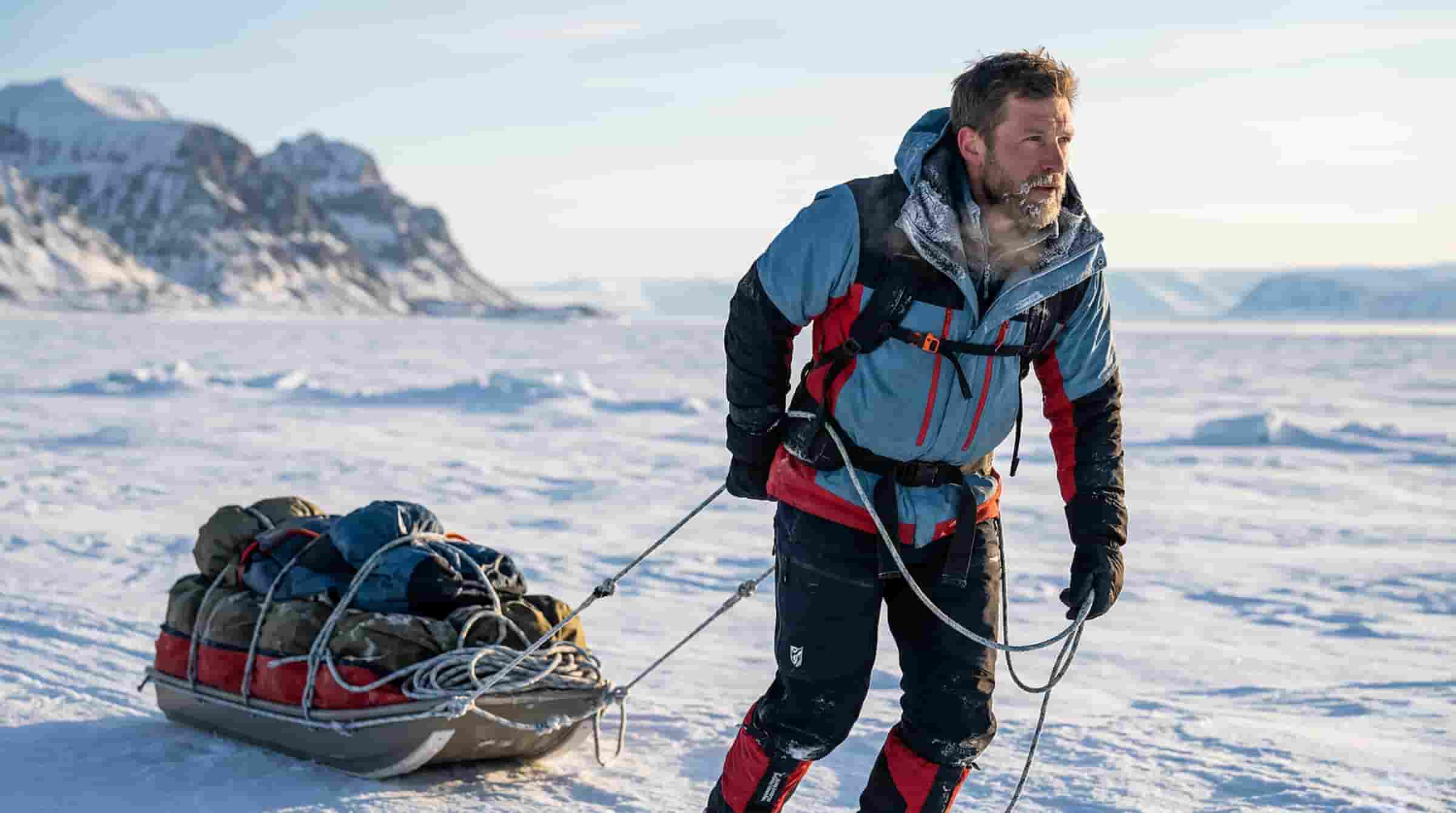
Theoretical knowledge means very little without real world testing. Mark Hines has successfully completed the 430 mile Yukon Arctic Ultra on foot. He also finished the infamous 350 mile Iditarod Trail Invitational. In 2016, he completed a massive solo sled hauling expedition spanning approximately 1000 miles along the Yukon Quest route from Alaska to the Yukon.
The Scientist’s Perspective: Managing the Pulk
Pulling a heavy sled alters human biomechanics entirely. Field experience shows that hauling a 100lb pulk places immense strain on the lower back and posterior chain. Hines actively managed his own hamstring stiffness using his academic principles to avoid debilitating injury on the ice.
Evolutionary Health: The Logic of Our Natural Diet
His expertise extends far beyond movement and deeply into human fueling. He authored a definitive book titled Our Natural Diet. This specific work bridges the gap between Darwinian Medicine and modern endurance fueling strategies.
He argues successfully that human evolution dictates our core nutritional requirements. Integrating Palaeolithic nutrition principles can significantly optimise performance in extreme environments.
Evolutionary Fueling Principles for Ultra Athletes:
-
Rely on whole foods over synthetic gels to maintain highly stable energy levels.
-
Adapt the digestive system over time to process high fat and protein ratios.
-
Minimise processed sugars to radically reduce systemic joint inflammation.
Training the Next Generation: Arctic Ultras Training Course 2026
Mark Hines actively shares his survival expertise with ambitious athletes. He hosts highly specific survival training programmes right here in the UK. His next Arctic Ultras Training Course is officially scheduled for early January 2026. This course prepares competitors for the harsh reality of cold weather survival and extreme adventure travel.
Pro Tip from Dr Hines: Hypothermia Prevention
Sweat is your absolute biggest enemy in sub zero environments. Field observations confirm that managing your pace to prevent perspiration is far more critical than moving fast. A damp base layer will freeze quickly and accelerate hypothermia.
Conclusion
Dr Mark Hines proves that completing the hardest races on earth is a scientific equation. His unique blend of PhD level biomechanics and first hand expedition experience sets a new standard for ultra endurance. The best laboratory for an exercise physiologist is not always found in a university building, but often on a frozen trail at minus forty degrees.
If you are preparing for your own expedition or studying human performance, applying these biomechanical principles is your first step toward success.
FAQs
Who is Mark Hines?
Dr Mark Hines is a UK based exercise physiologist, biomechanics researcher, and ultra endurance athlete known for competing in extreme Arctic and desert races.
What books has Mark Hines written?
He has authored several books, including The Yukon Arctic Ultra, The Marathon des Sables, and Our Natural Diet.
Where does Mark Hines teach?
He is a Senior Lecturer in Exercise Physiology at Oxford Brookes University in the UK.
How long is the Yukon Arctic Ultra?
The event offers various distances, but Mark Hines is noted for completing the gruelling 430 mile foot race.
What is Dr Mark Hines’ PhD in?
He holds a PhD in Biomechanics and Neuromuscular Physiology.
Has Mark Hines finished the Marathon des Sables?
Yes, he has successfully completed the Marathon des Sables, which is widely considered one of the toughest footraces on earth.
What is the “Our Natural Diet” philosophy?
It is a nutritional approach based on human evolution and Darwinian Medicine, advocating for whole foods and Palaeolithic principles to optimise health and performance.