
Babybel Nutrition: 5 Facts Every UK Parent Should Know (2026 Update)
Over two billion Mini Babybels are eaten worldwide every year. Many UK parents rely on this quick snack for school lunchboxes and busy afternoons. You might know it simply as a convenient cheese portion. Alternatively, you might know it by the playful, trending nickname babybelletje adopted by modern parents to describe this soothing, bite-sized favourite. But does this convenience come at a nutritional cost? This guide breaks down the four-ingredient recipe and the latest 2026 sustainability shifts. You will learn exactly how to safely serve a babybelletje to your children.
1. What is Actually Inside the Red Wax of a Babybelletje?
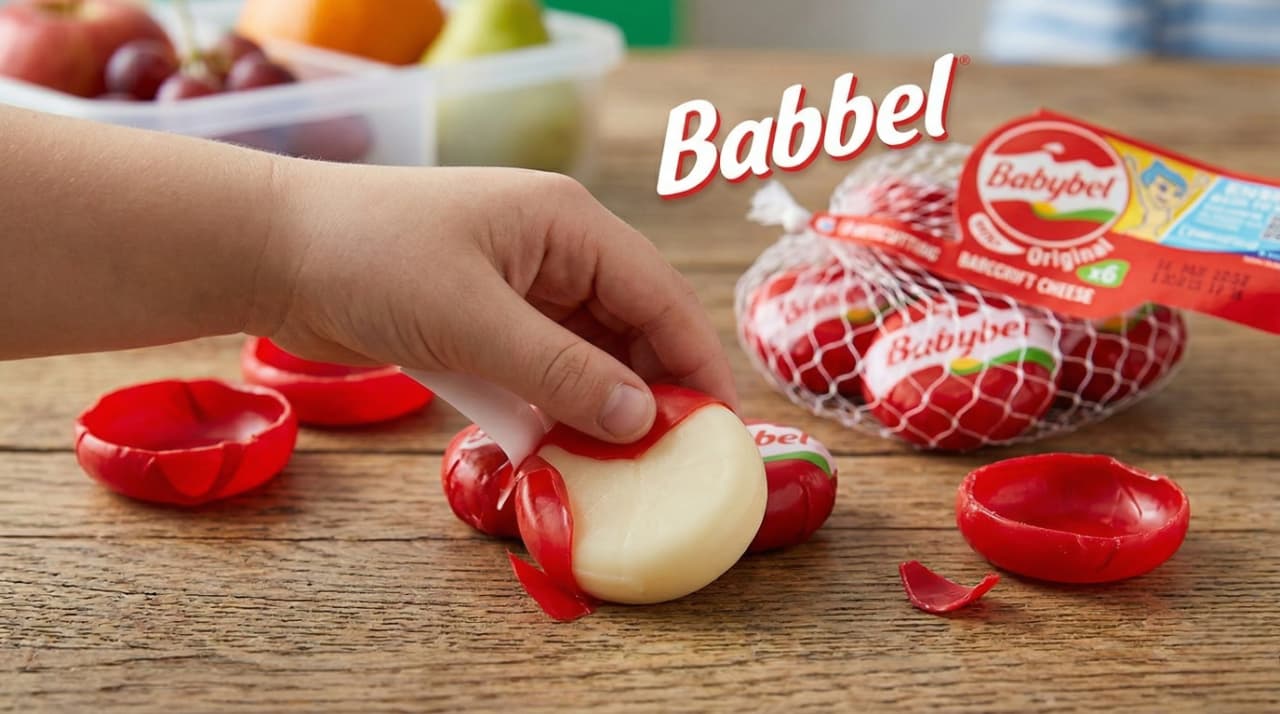
Peeling the red wax coating off a babybelletje is a familiar sensory ritual for many UK families. That satisfying snap of the pull tab feels deeply nostalgic. However, that wax serves a highly practical purpose. It acts as a natural protective barrier. It keeps the cheese fresh without the need for artificial chemicals or preservatives.
Natural Ingredients vs. Processed Alternatives
Parents frequently ask if this product qualifies as real cheese. The answer is a definitive yes. The original recipe relies on a traditional cheese-making process. It contains exactly four ingredients. These are pasteurised milk, vegetarian rennet, lactic ferments, and salt. Contrast this with heavily processed cheese strings or spreads. Those alternatives often contain emulsifiers and artificial stabilisers. Mini Babybel keeps the ingredient list remarkably clean.
2. Babybelletje Nutrition: Calories, Protein, and Calcium
Understanding the exact nutritional value is crucial for planning healthy school lunchboxes. The brand offers several variations to suit different dietary goals.
The Nutritional Breakdown (Original vs. Light)
Here is how the standard 20g snack portions stack up. The data reflects the current UK market standards.
| Nutritional Element | Original Mini Babybel (Per 20g) | Light Mini Babybel (Per 20g) |
| Calories | 60 kcal | 42 kcal |
| Protein | 4.6g | 5.0g |
| Fat | 4.8g | 2.4g |
| Calcium | 140mg (17% of Daily Reference Intake) | 160mg (20% of Daily Reference Intake) |
Is Babybel Lactose-Free?
Many UK adults with dairy sensitivities avoid healthy cheese snacks unnecessarily. The natural aging process of a Mini Babybel actually removes the lactose. Official product specifications confirm it contains less than 0.01g of lactose per 100g. This makes the cheese virtually lactose-free and safe for most people with mild intolerances.
3. The 2026 Sustainability Roadmap: From Plastic to Paper
Eco-conscious families frequently worry about the environmental impact of individual snack packaging. The manufacturer is actively addressing this concern.
According to the official 2026 Bel Group sustainability report, a massive packaging shift is underway across the UK. The company is phasing out the old cellophane wrappers. They are replacing them with fully recyclable paper packaging. This ongoing initiative directly supports their global target to achieve 100 percent plastic-free packaging by 2027.
4. Beyond the Original: Plant-Based and Hellfire Variants
The snacking landscape is evolving rapidly. Bel Group has expanded its offerings to capture the booming dairy-free market in the UK.
The 2025 and 2026 Vegan Expansion
The babybel plant-based UK range now caters directly to vegans and flexitarians. The Vegan Society officially certifies these products. The recipe utilises fava bean protein and coconut oil to successfully mimic the original texture. Furthermore, the brand recently launched a spicy “Hellfire” variant. This specific product targets adventurous adult snackers looking for bold flavours.
5. Is Your Babybelletje Safe for Toddlers? (The Under-4 Rule)
Convenience should never compromise child safety. Parents must handle round foods with strict care when feeding young children.
Expert Safety Callout: According to NHS UK guidelines on baby and toddler safety, whole round foods present a severe choking hazard for young children. If your child is under four years old, you must slice the cheese into small, bite-size pieces before putting it in their lunchbox. Never serve the cheese whole to a toddler.
Pro-Tip: The red wax provides excellent thermal insulation. You can take a babybelletje straight from the fridge and place it in a school bag. It remains perfectly safe to eat at room temperature for several hours. This makes it an ideal, protein-rich option for long UK school days.
Healthy Cheese Snacks UK: How Babybel Compares
When evaluating healthy cheese snacks in the UK, Mini Babybel consistently ranks highly among dietitians. It provides a dense source of calcium without the added sugars found in many yogurt tubes. You do need to monitor overall daily salt intake, but the 60 calories and high protein content make it a vastly superior choice to crisps or biscuits.
A babybelletje remains a remarkably clean, high-protein food choice. It easily beats out ultra-processed alternatives when factored into a balanced diet.
FAQs
Is the wax on Babybel edible?
The red wax coating is entirely food-safe. However, it is designed for packaging purposes and the manufacturer strongly recommends removing it before eating.
Are Babybels healthy for weight loss?
Yes. The portion-controlled 60 calories and high protein content make them an excellent snack for managing appetite.
Can toddlers eat Mini Babybel?
Yes, but parents must cut the cheese into small, bite-size pieces for any child under four years old to prevent choking.
Is Babybel real cheese?
Absolutely. It is made from 98 percent milk and uses a traditional cheese-making process.
Is Babybel lactose-free?
Yes. The natural fermentation and aging process reduces the lactose content to less than 0.01g per 100g.
Can you freeze Babybel?
The manufacturer advises against freezing. Freezing alters the texture and makes the cheese crumbly when thawed.
Why is it wrapped in wax?
The wax acts as a protective hygiene barrier. It prevents mould and moisture loss without requiring artificial chemical preservatives.